About
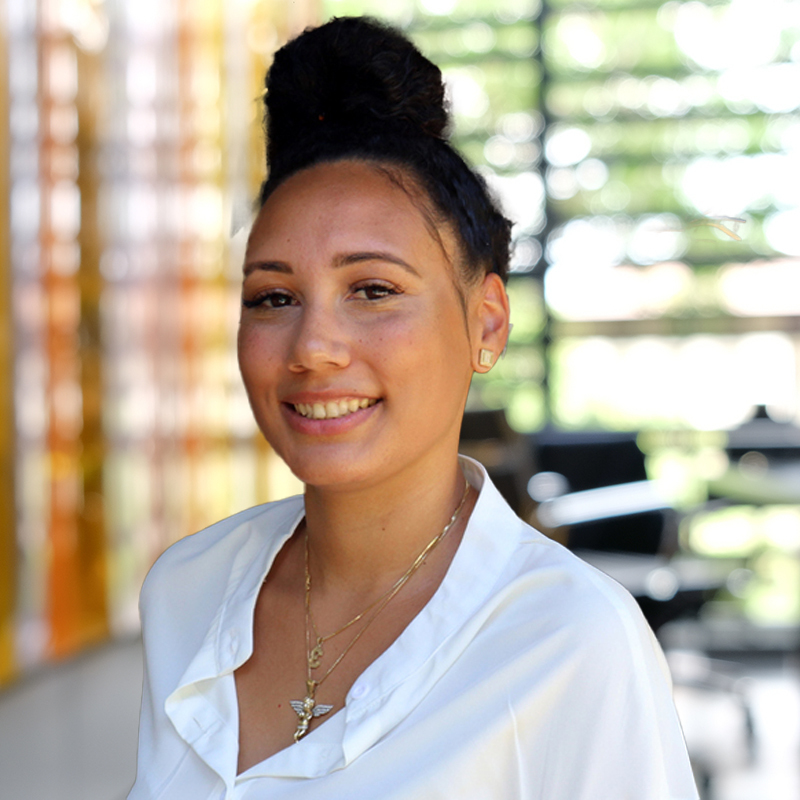
Danielle Cameron, LCSW, MSW, is a Los Angeles native who has provided over 10 years of service to youth, students, and families across the greater LA area. Her commitment to servicing those most in need began while pursuing her BA in sociology at UCLA, where she actively participated in student-initiated and run programs that provided holistic support to K-12 students in underserved communities. After receiving her MSW from the other side of town at the University of Southern California, Danielle worked extensively as a clinical case manager, providing group and individual therapy for transitional-aged youth in housing programs contracted by the Department of Mental Health (DMH) and the Los Angeles Homeless Services Authority (LAHSA).
She has also served as an intake coordinator for a Housing First modeled program, and is certified in several evidenced-based practices and models including Housing First, motivational interviewing, solution-focused therapy, and Seeking Safety. In addition to providing extensive direct support services, Danielle has been instrumental in developing and coordinating the implementation of program models such as housing case management and a life skills curriculum centered on Transitional Age Youth (TAY).
As a member of the DMH + UCLA Public Mental Health Partnership (PMHP) team, Danielle enjoys serving mental health providers across LA County through developing and delivering meaningful and impactful trainings.
Upcoming live sessions
Understanding the Stress Response
Understanding the Stress Response is a training geared towards developing a better comprehension of how and why we respond to stress in certain ways. The training starts with a description of the various types of stress that most people experience. ...
Intergenerational Trauma: Understanding and Addressing Racial Trauma in Behavioral Health
Trauma informed care tends to emphasize individuals’ experiences after isolated traumatic events in their own lives. But what about trauma extends beyond the individual, and even the present day? Collective trauma, also known as intergenerational trauma, is how trauma experienced ...
Supporting Client Transitions With a Critical Time Intervention Approach
The critical time intervention (CTI) model is a time-limited, evidence-based practice that mobilizes support for our communities’ most vulnerable individuals during periods of transition. It facilitates community integration and continuity of care by ensuring that a person has formidable ties ...